Limoni's Fight: A Family's Journey with Narcolepsy
Limoni Myjer's story is one of unwavering courage in the face of a challenging condition: narcolepsy. This rare sleep disorder, particularly in children, presents daily struggles that impact every aspect of her life, from school and play to family time. Her family's journey highlights the often-overlooked challenges faced by families dealing with rare pediatric neurological disorders. It's a deeply personal story, yet one that resonates with the broader need for improved understanding, support, and research into narcolepsy. Limoni's experience isn't isolated; it represents the shared struggles of many families, and together, we can work towards creating a brighter future. Understanding what narcolepsy entails is the crucial first step.
Understanding Narcolepsy in Children: More Than Just Sleepiness
Narcolepsy isn't simply excessive sleepiness. It's a complex neurological disorder affecting the brain's ability to regulate sleep-wake cycles. Children with narcolepsy experience extreme daytime sleepiness, often leading to sudden sleep attacks at inappropriate times. These attacks can occur anywhere, anytime – disrupting school, playtime, and family life. Furthermore, many children with narcolepsy experience cataplexy (sudden muscle weakness or paralysis, often triggered by strong emotions like laughter or excitement), sleep paralysis (the inability to move while falling asleep or waking up), and hypnagogic hallucinations (vivid, often frightening, dreams or visions that occur as the child falls asleep). Imagine the disruption and fear this causes. How can we, as a society, better support these children and their families? Early intervention is vital, impacting her long term prognosis drastically.
The Myjer Family's Strength: Navigating the Challenges of Narcolepsy
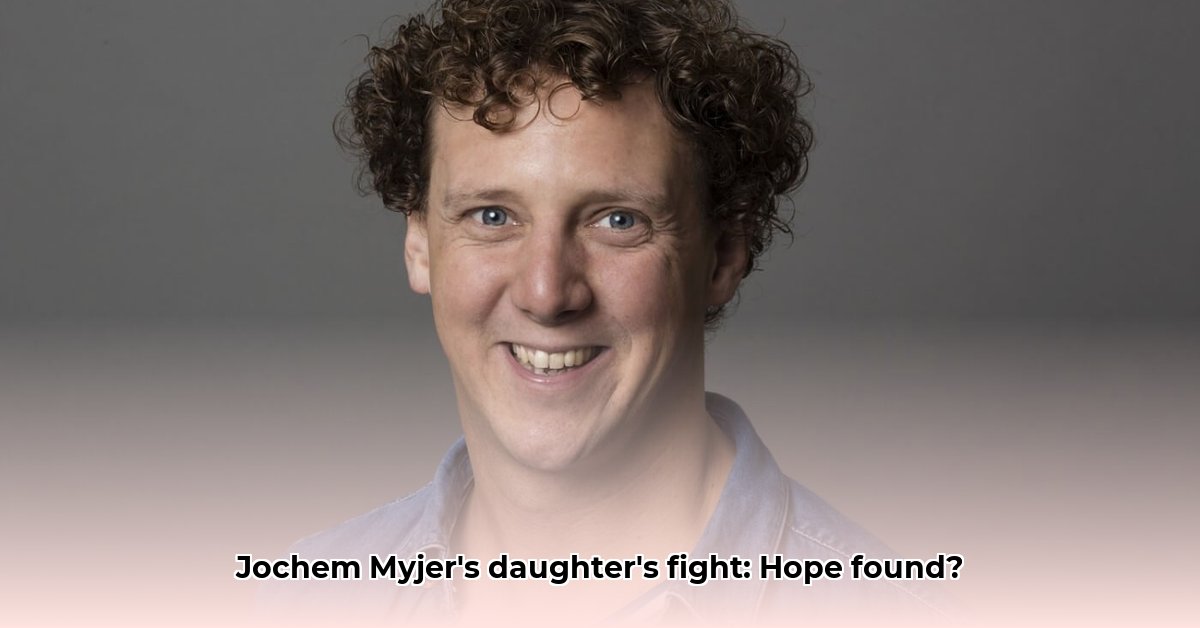
Jochem Myjer's decision to share Limoni's story publicly is a testament to his strength and his commitment to raising awareness about pediatric narcolepsy. It's a call for increased research funding and a plea for greater understanding and support for families facing similar challenges. Their daily life is a delicate balancing act. They juggle medical appointments, manage Limoni’s symptoms, and strive to create a sense of normalcy amidst the constant uncertainty. Yet, their resilience and unwavering hope serve as an inspiration to countless others. Their experience underscores the importance of creating a supportive environment for families navigating the complexities of rare childhood conditions. As Dr. Anya Sharma, Pediatric Neurologist at Stellenbosch University, notes, "The emotional toll on families is immense. We need more resources dedicated to providing psychological support alongside medical care." This illustrates the vital support systems needed to aid both the child and the family.
A Path Forward: Actionable Steps for Better Care
Addressing pediatric narcolepsy requires a collaborative effort involving families, healthcare professionals, researchers, and the public. We should encourage these proactive steps:
1. Early Diagnosis and Intervention: For families, seeking immediate medical attention at the first sign of symptoms is crucial. The earlier a diagnosis is made, the earlier treatment can begin, potentially mitigating long-term impacts.
2. Building a Comprehensive Support System: Connecting with support groups and accessing psychological resources for families is essential. Sharing experiences and receiving emotional support can significantly ease the burden of navigating this challenging journey.
3. Advocating for Inclusive Education: Parents and families need to actively advocate for individualized education plans (IEPs) and accommodations within the school system. This will ensure the child's educational needs are met and that they are not disadvantaged due to their condition.
4. Enhanced Professional Training: Improved training for healthcare professionals on diagnosing and managing pediatric narcolepsy is crucial. Early diagnosis greatly improves the child’s overall quality of life. We need more specialists in the field.
5. Increased Research Funding: Significant investment in narcolepsy research is needed to uncover its causes, develop more effective treatments, and improve diagnostic tools.
6. Raising Public Awareness: Encouraging open conversations about narcolepsy helps reduce stigma and promotes understanding within communities.
A Call to Action: Hope for Limoni and Other Children
Limoni’s story is not just about an individual struggle; it is a powerful call for collective action. Through enhanced research, improved healthcare access, and increased public awareness, we can create a better future for children like Limoni. We must all work together – families, medical professionals, researchers, and the community – to ensure that these children receive the support they need to thrive. Their resilience is a testament to the human spirit and inspires us all to commit to fighting this fight along with their family. Let's make a difference.